
A hospital event video recap is a short, edited film that captures the highlights of a fundraiser, conference, or community event for use on your website, social channels, and internal comms. The goal is trust, not spectacle; show real moments, protect patient privacy, and prove your hospital shows up for its community. Aim for a 60 to 90 second highlight reel plus a 2 to 5 minute full recap, and get consent forms sorted before a single camera rolls.
TL;DR:
- Securing written consent from all patient-facing participants before filming is essential to avoid legal issues and ensure proper reuse of footage.
- Proper planning, including detailed run sheets and assigning a compliance lead, significantly reduces legal risks and streamlines the production process.
- Using external microphones and recording ambient sound enhances audio quality, especially for interviews, which are key trust builders.
- Post-production workflows should include clinical review and captions, with a single master edit cut into multiple formats to maximize content reuse.
- Hosting full recaps on owned channels first ensures control and compliance, while social clips and stills should be spread over several weeks for effective engagement.
Table of Contents
- Day-of checklist: shots, permissions and distribution plan
- Pre-production: objectives, consent forms and sign-off
- Filming on the day: audio, lighting and respectful coverage
- Editing the story: structure, runtimes and accessibility
- Where to publish and how to repurpose the footage
- How True Care Media delivers compliant hospital event recaps
- Why most hospital recap videos undersell themselves
- Book a compliant hospital event recap with True Care Media
- Sources
Day-of checklist: shots, permissions and distribution plan
Print this before your crew walks in the door. It covers the shots you actually need, not every shot you could get.
Runtimes to plan for:
- Highlight reel: 60 to 90 seconds
- Full recap: 2 to 5 minutes
- Social cuts: 15 to 60 seconds, drawn from the master edit
Minimal shot list:
- Opener: venue signage, crowd arriving, event branding
- Keynote or speaker close-ups with clean audio
- Audience reaction shots (wide and tight)
- Interactions between staff, patients, and community members
- B-roll of the space empty and full, plus any hospital branding on display
Consent and channel checks:
- Written consent secured for anyone discussing a health condition on camera
- Signage near entrances noting filming is in progress
- Website, YouTube, and social accounts confirmed and ready to receive the final cuts
Pre-production: objectives, consent forms and sign-off
Most recap videos fail before filming starts, not in the edit; planning for professionals with comprehensive support like expat insurance for doctors can also ease logistical concerns. Get the paperwork and planning right first.
- Set the objective. Decide who the recap is for, whether that’s donors, staff, referring GPs, or the local community, before you write a shot list.
- Draft PHI-aware consent forms. Any footage where someone discusses a health condition counts as Protected Health Information, and written authorisation is required before filming, not a verbal nod on the day.
- Book calm interview spaces. Away from clinical corridors, away from foot traffic, with a door that closes.
- Build a run sheet. List every shot, every interview slot, and every piece of kit, then assign a name to each item.
- Appoint an on-site compliance lead. One person whose job is to check consent paperwork before a camera points at anyone.
Skipping the compliance lead role is the single most common mistake hospital comms teams make, and it’s the one that turns into a legal headache weeks later.
Pro Tip: Build 15 minutes of buffer into the run sheet for consent conversations. Rushed consent on the day is where most compliance gaps start.
Filming on the day: audio, lighting and respectful coverage
Good footage starts with good sound, not good light. A blown interview audio track ruins an otherwise strong recap.
- Use lapel or boundary mics on every speaker, not the camera’s built-in mic
- Record ambient sound separately so editors have room tone and crowd noise to cut into
- Mix scripted interview set-ups with candid, unscripted B-roll of the event happening around you
- Capture signage, branding, and any hospital insignia clearly, since this footage gives context later in the edit
- In lobbies and auditoria, use available light where you can, adding a single soft key light for interviews
- In clinical areas, keep crew movement minimal and never film patients, monitors, or charts without explicit written consent
Featuring clinicians speaking to camera does real work here. Clinician-led explanations consistently build more trust than scripted voiceover, so if a nurse or specialist is willing to say a few words on the day, capture it.
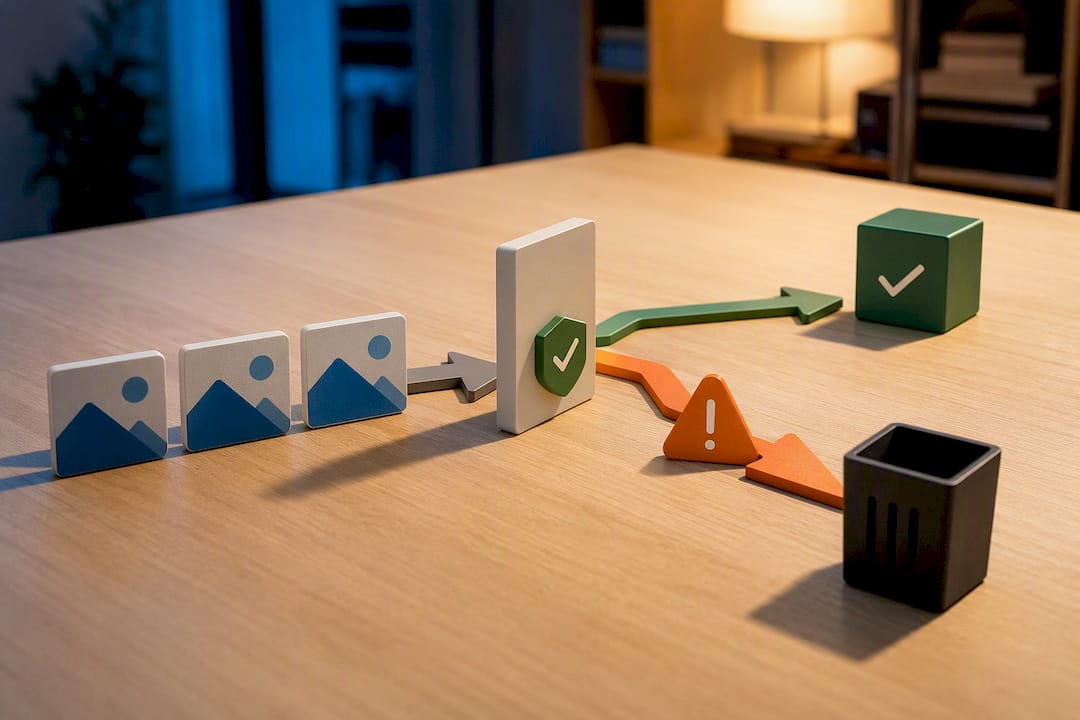
If a consent issue surfaces mid-shoot, whether someone changes their mind or a bystander walks into frame without agreeing to be filmed, stop and flag it to the compliance lead immediately. Don’t wait until the edit to sort it out; footage without consent gets deleted, not blurred.
Pro Tip: Shoot a static wide shot of the whole room every 20 minutes. It gives editors flexible cutaway footage and often captures a genuine reaction you’d otherwise miss.
Editing the story: structure, runtimes and accessibility
Structure the recap like a short story, not a highlights dump. Open by establishing the setting, then move through emotional or factual highlights, then close on a call to action or contact detail.
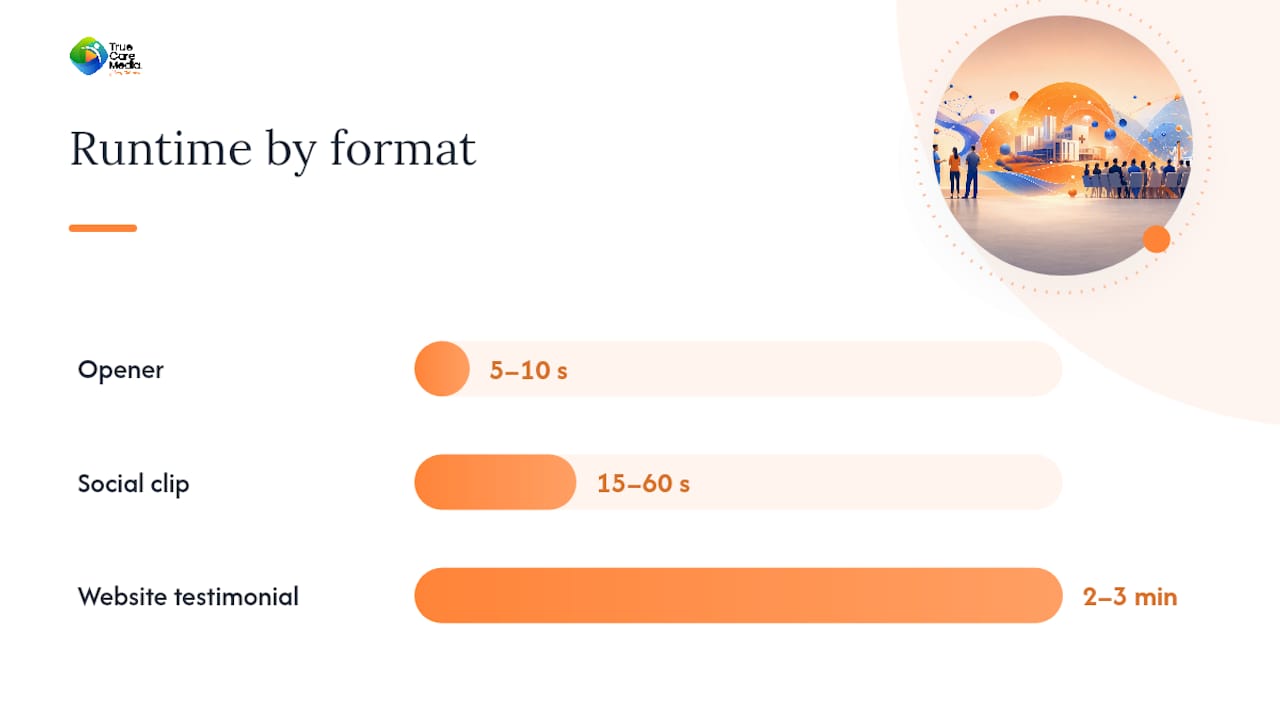
- Opener (5 to 10 seconds): venue, event name, date, one establishing wide shot
- Highlights (the bulk of the runtime): speaker moments, audience reactions, key milestones
- Close: a clear CTA, website URL, or contact detail for the hospital
Trim differently depending on where the video lands. A website testimonial cut runs 2 to 3 minutes, a social clip needs to hit its point inside 15 to 60 seconds, and internal newsletter cuts can run longer since staff watch with more patience than a social scroller.
Every cut with patient-facing content needs a clinical review pass and a legal sign-off before it goes live, no exceptions. Add captions at this stage too. Caption automation adoption has risen sharply across healthcare marketing teams, partly because AI-assisted editing tools now cut post-production time by roughly 24% on comparable projects, freeing up review time for compliance rather than technical cleanup.
Build one master edit first, then version down. Cutting the master into multiple social clips and stills is far faster than shooting each format separately, and it’s how one event shoot becomes a full asset library instead of a single video that gets used once and forgotten.
Where to publish and how to repurpose the footage
Put the full recap on your website first. Owned channels give you control over messaging and compliance that a social feed simply doesn’t offer, and that matters when the footage includes anything patient-adjacent.
- Primary placements: hospital website landing page, YouTube, LinkedIn, email newsletter, short Instagram or TikTok cuts
- Metadata to nail: clinician names (with consent), the event title, and a genuinely descriptive caption, not just a hashtag string
- Repurposing checklist: 15 to 60 second social reels, still frames for email headers, pull-quotes from speakers, thumbnail images for the newsletter
- KPIs worth tracking: total views, average watch time, and click-throughs to relevant service pages
- Cadence: spread cuts across a 6 to 8 week distribution window rather than dumping everything in one week, and keep any PHI-adjacent footage off open social entirely
How True Care Media delivers compliant hospital event recaps
Commissioning a recap video is straightforward once you know what to brief for. True Care Media builds hospital event recaps around four pillars: pre-production planning, PHI-aware filming, clinical review, and multi-format delivery.
- Planning: objectives, run sheets, and consent documentation prepared before the event
- PHI-aware production: written consent tracked for every patient-facing shot, with a compliance lead on set
- Clinical review: scripts and cuts checked by relevant clinical staff before anything is published
- Multi-format delivery: one shoot delivered as a website recap, social cuts, and internal comms assets
Packages typically include the shoot day, editing, captioning, and delivery of platform-specific cuts. What hospitals need to brief clearly is the target audience for the recap, any patients or families expected to appear on camera, and the internal approval chain for clinical sign-off. The role of video in hospital marketing explains how a single well-planned shoot builds a reusable content library rather than a one-off video, and hospitals looking for reference points can review examples of healthcare facility storytelling done well.
Why most hospital recap videos undersell themselves
The biggest mistake I see in hospital event recaps isn’t a technical one. It’s treating the video as a one-off deliverable instead of a raw asset library. A hospital spends real money on a photographer and videographer for one afternoon, gets a polished 90 second reel, and then never touches the footage again.
That’s backwards. The same shoot that produces your highlight reel should also produce six months of social clips, a testimonial for the website, and thumbnails for the newsletter. Conventional advice tends to focus entirely on the finished video and skips the compliance groundwork that makes reuse possible, namely proper written consent that covers future use, not just the initial recap.
If you take one thing from this, prioritise the consent paperwork over the shot list. A hospital with airtight consent and mediocre footage can still build a trust-building asset library. A hospital with stunning footage and shaky consent has a legal problem waiting to surface, often months after the event when someone wants that clip pulled from an existing campaign.
— Mishal
Book a compliant hospital event recap with True Care Media
Some providers handle the paperwork side, PHI-aware consent forms, clinical review checkpoints, and captioning to deliver finished, compliant videos without requiring comms teams to chase legal sign-off after the fact.

Services are offered to hospitals, allied health clinics, and aged care providers who need event recaps, testimonial videos, and ongoing content libraries, not just a single polished clip. If your last event recap sat unused after one social post, that’s a repurposing problem we solve by planning the shoot around multiple formats from day one. Have a look at how video builds trust in aged care marketing for a sense of how one shoot becomes a full campaign, then get in touch to scope your next event shoot and lock in a date before your next fundraiser or conference.
This article is general information, not a substitute for advice from a qualified doctor. Consult a qualified healthcare professional about your own circumstances before acting on anything here.
Sources
- Healthcare Video Strategy 2026 | Trust & Compliance Guide
- Video marketing for healthcare practices (the basics)
- Essential tips for healthcare video marketing in 2025 | Kaltura